German
 English
SIR-2510-R2-UE
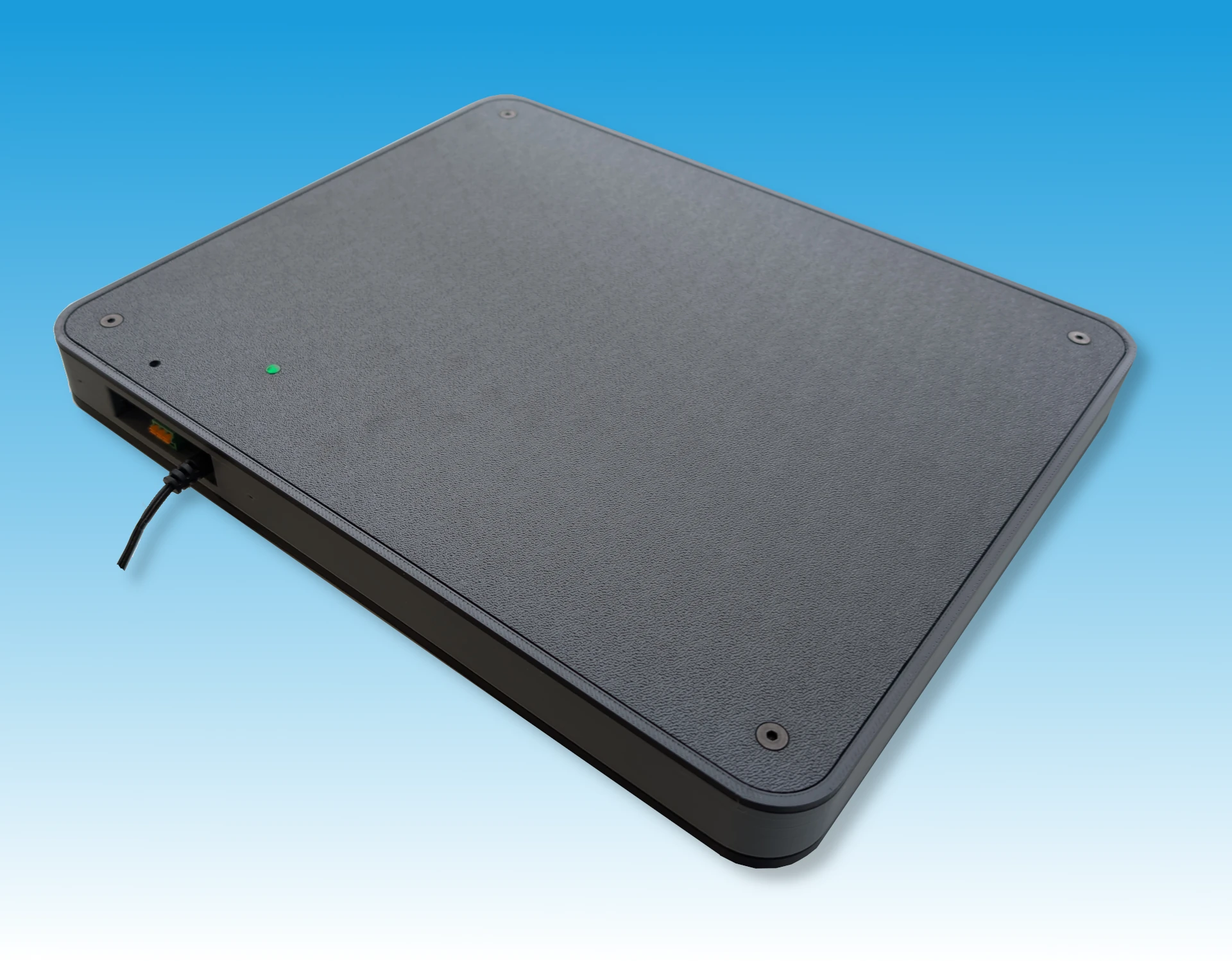
Compact 13.56 MHz desktop / tabletop reader with integrated antenna and 1W output power. Metal shielding on the bottom supports mounting on Metal, Wood or Plastic.
- 1W output power
- No downward reading due to integrated metal base
Compact 13.56 MHz desktop / tabletop reader with integrated antenna and 1W output power. Metal shielding on the bottom supports mounting on Metal, Wood or Plastic.
Compact UHF desktop reader SIR-9151-R2-UE with integrated antenna.
No reading down due to integrated metal floor so it can be mounted on metal, wood or plastic without adjustment
The SIM-2500-R2 is a compact dual frequency rfid reader. It can read both: HF ISO-15693 as well as UHF ISO 18000-6C / EPC Gen2 transponders.
Due to the integrated antenna and the shielding on the backside, transponders that are below or next to the reader are not read.
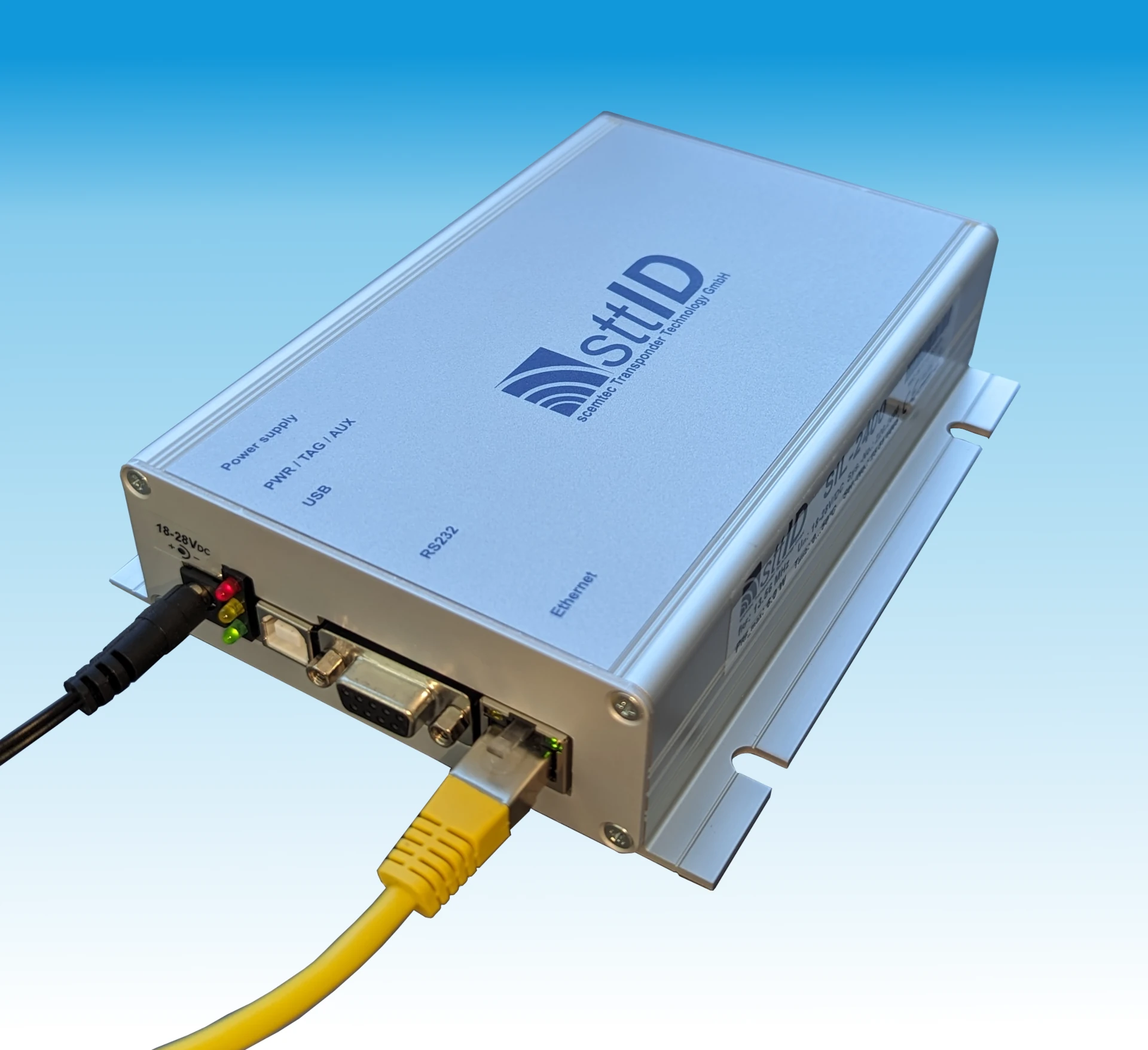
High-performance 13.56 MHz industrial RFID mid-range reader/writer SIR-2200 for connection of up to 8 antennas.
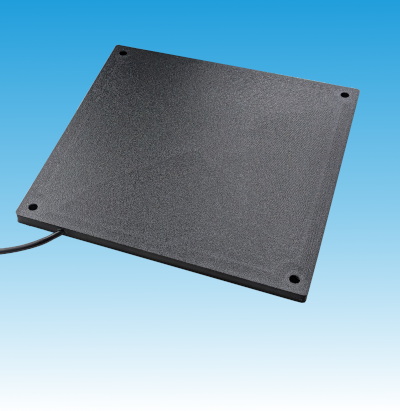
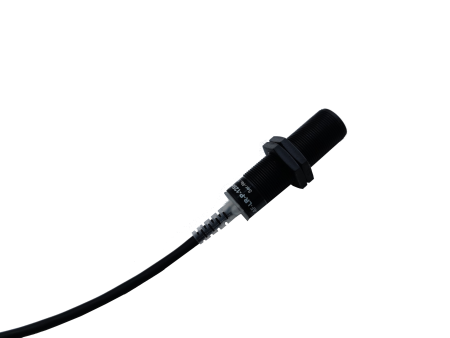
125 kHz antenna for connection to the SIL-1410. Water and dust-protected for industrial applications.
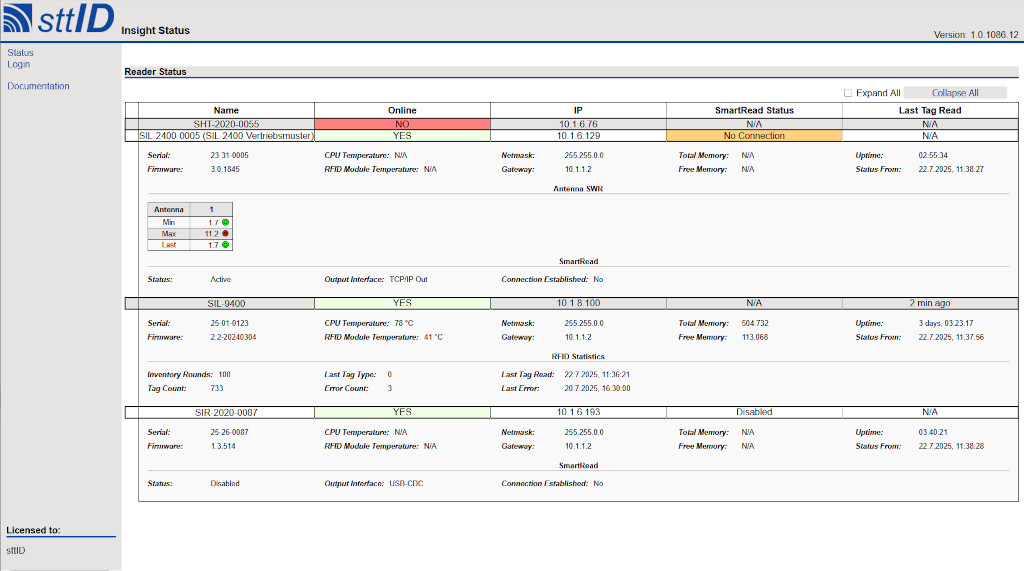
The sttID Software Insight collects status data from multiple sttID readers.
It bundles this collected information and makes it available to all clients that connect to the monitoring service via HTTP.
This allows users to easily view an overview of the status of the RFID readers in the network via a web browser without any additional software and to detect potential failures at an early stage.
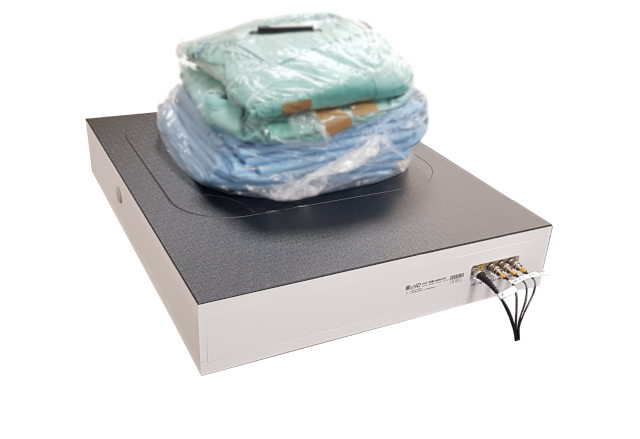
The SIM-9400 is a multi-frequency reader for HF ISO-15693 and UHF ISO 18000-6C/EPC Gen2 transponders.
With an antenna width of 60 cm and an RF output power of up to 4W, it is ideal for integration into or under a conveyor belt.
The reader also allows you to load and run your own applications (e.g., .Net/Mono).
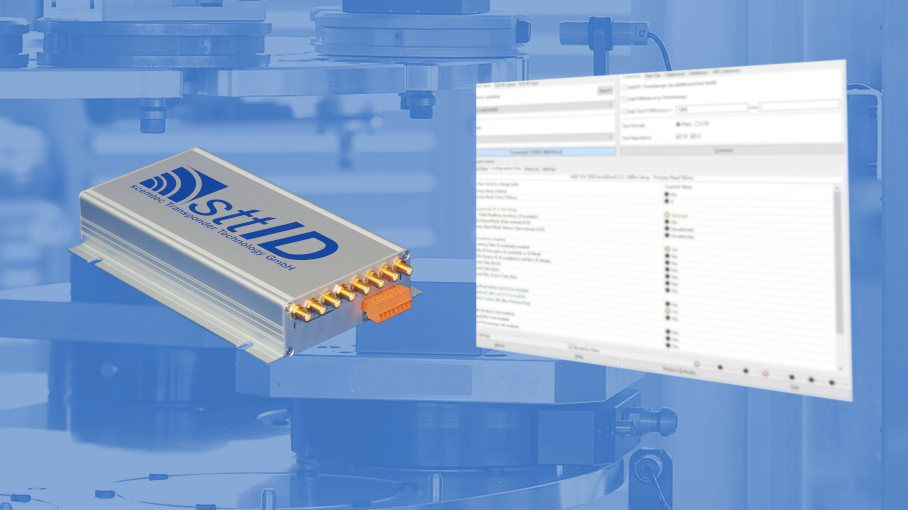
Most sttID RFID readers support the STX/ETX protocol as well as the SmartRead autonomous operating mode. This facilitates integration into existing applications even without programming knowledge.
A one-time configuration via a web browser, terminal program, or SMan (depending on the device) is all that is required. The devices then read the transponder data independently and forward it in the previously configured format via the interface.